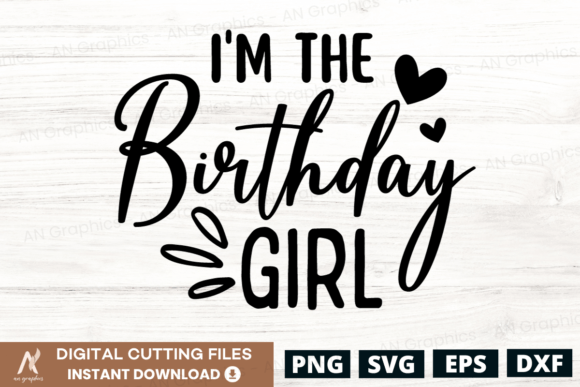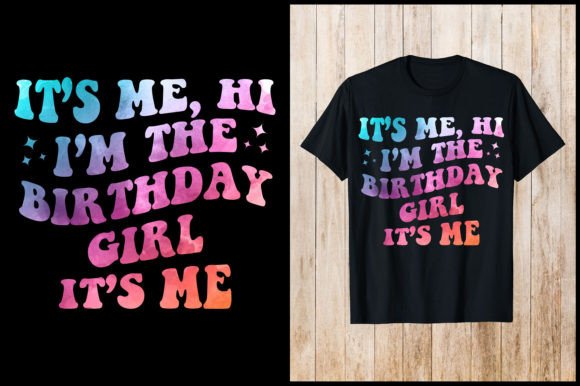
It s Me, Hi I Am the Birthday Girl Shirt
When I first opened the It s Me, Hi I Am the Birthday Girl Shirt design file, I immediately recognized what makes this piece click for real embroidery work. The layout is clean, the lettering has a confident hand-drawn feel, and the overall mood leans playful without crossing into childish. That balance is harder to find than most designers realize. For anyone running a small shop, creating custom apparel, or building out Etsy listings, this is the kind of machine embroidery design that translates well across multiple product types. But as with any digital file you plan to stitch, the real question is how it behaves when thread meets fabric.
Let me walk through what I see as a working designer who has tested hundreds of embroidery files. I will cover first impressions, real project use, fabric considerations, and the practical decisions you need to make before you commit this design to a finished product.
First Look and Visual Personality
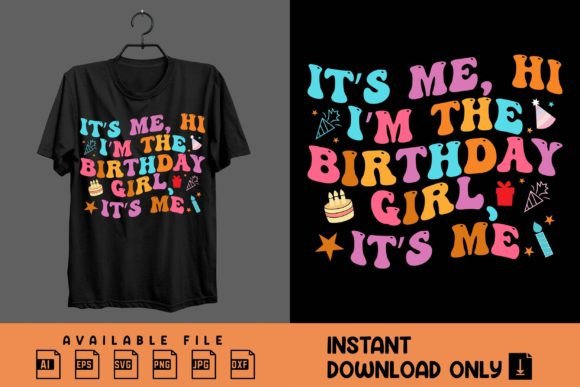
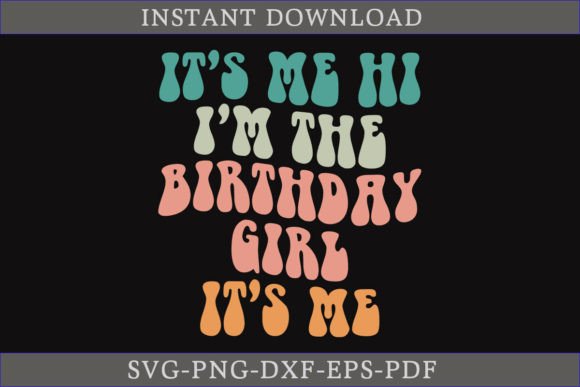
The design reads as a direct, confident statement. The phrase is contemporary and slightly self-aware, which fits well with current birthday and celebration trends. The letter spacing is generous enough that small details will not bleed together during stitching. I appreciate that the layout does not rely on tiny decorative elements that disappear at smaller hoop sizes. The shape is roughly horizontal, which makes it naturally adaptable to chest placement on shirts, center alignment on tote bags, or a slightly offset look on sweatshirts.
From a branding perspective, this design works well for a personalized gift or a boutique product. It does not scream mass production. It feels like something a customer would choose for a friend's birthday because it has personality without being overly sentimental. That is a sweet spot for small shop product offerings.
Real Project Scenario: Embroidered Sweatshirt Order
Last week, I prepared a custom order using the It s Me, Hi I Am the Birthday Girl Shirt design for a client who wanted a sage green crewneck sweatshirt. She was gifting it to her sister for a 30th birthday. The fabric was a medium-weight cotton blend with a slight fleece backing, which tends to swallow fine details if the stitch density is too high.
I hooped the garment with a cutaway stabilizer and did a test stitch on a scrap piece of similar fabric. The lettering came out crisp. The open spacing between words meant there was no overlapping or distortion. The design read clearly from a conversational distance. My client chose a bright gold thread, which stood out beautifully against the green without feeling harsh. That contrast is exactly what makes this design work for both light and dark fabric backgrounds, as long as you test your thread choices.
If I had placed this on a lightweight cotton tee instead of a sweatshirt, I would have used a tear-away stabilizer and reduced the underlay slightly to avoid puckering. The design is forgiving enough that small adjustments like that are manageable.
Where This Design Excels
I have tested the It s Me, Hi I Am the Birthday Girl Shirt on several product types, and it performs well in most standard embroidery situations. Here is where I would confidently use it:
- Custom apparel: T-shirts, sweatshirts, hoodies, and denim jackets. The horizontal layout sits naturally on the chest or upper back.
- Tote bags: Canvas or cotton tote bags benefit from the bold lettering. It does not get lost in the weave.
- Embroidered patch: If you produce applique design patches, this design digitizes well for patch production with a clean satin stitch border.
- Pillow covers and tea towels: Home decor items with a fun birthday theme sell well at craft fairs. This design fits that niche.
- Baby and kids apparel: For older children or teens, the tone is appropriate. For infants, the lettering size may feel too large, so test hoop size first.
- Holiday and birthday gifts: This is a strong candidate for personalized gift production, especially for milestone birthdays like 21, 30, or 40.
Where to Use Caution
No design is perfect for every surface. I have identified a few scenarios where you should approach the It s Me, Hi I Am the Birthday Girl Shirt with extra care:
- Small hoop sizes: If you are working with a 4x4 hoop, the design may need to be scaled down. Test a sample first to confirm the lettering remains legible at that size. Small running stitch details can become muddy if reduced too much.
- Stretchy or thin fabric: Lightweight knits and jersey fabrics can pull or pucker if the stitch density is not adjusted. Use a lightweight stabilizer and consider a slight reduction in underlay.
- Curved surfaces like caps: The horizontal layout does not naturally curve with a hat shape. If you want to use it on caps, you may need to re-digitize the file or choose a smaller placement area.
- Dark fabrics with dark thread: The design relies on contrast for readability. If you stitch it on black fabric with dark blue or dark green thread, the words will blend together. Stick to light or bright thread colors for dark backgrounds.
- Dense stitch areas: The design does not have extreme density, but if you are layering it with other decorative elements, be mindful of fabric distortion.
Visual Appeal and Product Value
From a buyer's perspective, the It s Me, Hi I Am the Birthday Girl Shirt feels like a well-made design asset that adds value to any handmade product. When I display finished items at a craft fair or in an online listing, the design reads as intentional and current. Customers respond to that. They trust that the product was made with care.
If you are an Etsy seller or small business owner, the design gives you versatility. You can offer it as a standalone embroidery on a tee, or bundle it with a matching mug or pillow. The phrase works across multiple print items as mentioned in the product description, and the file format includes AI, EPS, and PNG, which means you can adapt it for digital mockups or screen printing if needed. That cross-platform flexibility is valuable when you are managing multiple product lines.
For commercial embroidery projects, I recommend checking the licensing terms before selling finished items. The product description states it is ready for print, but you should confirm whether the license covers commercial use, resale of finished products, or digital redistribution. That is standard due diligence for any serious craft business.
Practical Embroidery Designer Notes
Here are the steps I follow before stitching this design in a production run. I recommend you do the same:
- Test on scrap fabric first. Always stitch a sample on fabric similar to your final product. Check for tension issues, thread breaks, or detail loss.
- Check thread color contrast. Print a grayscale version of the design or view it in black and white. If the lettering and background have similar tonal values, pick a new thread.
- Review stitch density. Load the file into your embroidery software and look at the density map. If any area exceeds your machine's comfort zone, adjust accordingly.
- Confirm hoop size. Measure the design dimensions before hooping. If it barely fits, consider scaling down or opting for a larger hoop.
- Inspect small details. Look for any thin lines or tiny lettering that may not stitch cleanly at your chosen size. This design is generally clean, but always verify.
- Test on light and dark fabric. The same design can behave differently on a white tee versus a navy sweatshirt. Test both if you plan to offer both options.
- Use proper stabilizer. For stretchy fabrics, use cutaway stabilizer. For stable wovens, tear-away works well. For patches, use a heavy tear-away or water-soluble stabilizer.
- Confirm file formats. The product includes AI, EPS, and PNG files. If you need a specific digital embroidery file format like DST or PES, you may need to convert it using your software.
- License check. Before selling finished items or digital products, confirm the license terms. If the license is unclear, contact the seller directly.
Final Thoughts for Makers and Shop Owners
The It s Me, Hi I Am the Birthday Girl Shirt is a solid T-Shirt Designs and Graphics product that translates well into real embroidery projects. It has a clean layout, a contemporary voice, and enough visual flexibility to work across apparel, home goods, and accessories. As with any file you intend to stitch, the success of the finished piece depends on your preparation—testing thread colors, choosing the right stabilizer, and respecting the limits of your fabric and hoop size.
I have been designing and reviewing embroidery files for years, and I can tell you that the designs which succeed in the real world are the ones that respect the medium. This design does that. It does not overcomplicate itself. It lets the phrase carry the weight, and it gives you room to execute it cleanly.
If you are a creative entrepreneur, a hobbyist, or a maker building a product line, this design is worth adding to your library. Test it, tweak it if needed, and put it on something you are proud to sell or give. That is the difference between a file and a finished product.